Best Practices For Designing A Conference Room AV Setup

Best Practices For Designing A Conference Room AV Setup

Discover best practices for designing a conference room AV setup that enhances communication and collaboration. This guide provides essential tips to create an effective audio-visual environment tailored to any meeting space.

What considerations should be taken into account when integrating wireless presentation systems into a conference room AV setup?

When integrating wireless presentation systems into a conference room AV setup, several considerations must be taken into account to ensure seamless functionality and user satisfaction. First, the compatibility of devices is crucial; it is important that laptops, tablets, and smartphones can easily connect to the wireless system without requiring excessive technical knowledge or complicated setups. Next, network infrastructure plays a vital role in performance; having a robust Wi-Fi connection with adequate bandwidth ensures smooth video streaming and reduces lag during presentations. Additionally, security measures should not be overlooked; implementing encryption protocols helps protect sensitive information shared over the network from unauthorized access while facilitating guest connections safely through guest networks or temporary credentials. The layout of the conference room also impacts effectiveness—ensuring optimal signal coverage by strategically placing access points can prevent dead zones where connectivity may falter. Furthermore, end-user experience should guide design choices such as intuitive interfaces for easy switching between presenters or systems like AirPlay and Miracast support for various operating systems. Finally, considering integration with existing AV equipment—such as projectors or large displays—and planning for future upgrades will create an adaptable environment that meets evolving technological demands while enhancing collaboration among participants in meetings or seminars.

Visual display installations can significantly enhance the ambiance and engagement of a space, making it more appealing to visitors. By exploring expert insights on innovative designs and techniques, one can discover how to effectively integrate visual elements that captivate audiences. To delve deeper into this topic and uncover valuable information, visit choosing the right av equipment for different venue sizes

How can acoustic treatment and soundproofing materials enhance audio quality in a conference room equipped with AV technology?

Acoustic treatment and soundproofing materials play a crucial role in enhancing audio quality within conference rooms that utilize advanced audiovisual (AV) technology by significantly reducing unwanted noise and improving sound clarity. These materials, which include acoustic panels, bass traps, diffusers, and sound-absorbing carpets or curtains, work together to minimize echoes and reverberations caused by hard surfaces like glass walls or concrete floors. By strategically placing these treatments on walls and ceilings, they can absorb excess ambient noise from outside sources as well as internal distractions during meetings or presentations. This results in clearer communication for both speakers using microphones and attendees listening through speakers, leading to better understanding of spoken words without the interference of background sounds. Additionally, incorporating high-performance insulation into the structure helps block external noises such as traffic or construction sounds from infiltrating the space while also preventing sound leakage between adjoining rooms—ensuring privacy during discussions. Therefore, when proper acoustic treatment is combined with effective soundproofing solutions tailored for specific room dimensions and usage scenarios involving AV setups like projectors or video conferencing systems featuring high-definition audio output capabilities; it creates an optimal auditory environment that fosters productivity by allowing participants to focus solely on content delivery rather than struggling with poor acoustics.

In what ways do screen size and resolution impact the effectiveness of video conferencing solutions for hybrid meetings?

Screen size and resolution significantly influence the effectiveness of video conferencing solutions for hybrid meetings by affecting visibility, engagement, and overall user experience. Larger screens allow participants to see facial expressions and body language more clearly, which enhances communication cues that are often lost in smaller displays; this is crucial as non-verbal communication plays a vital role in understanding context during discussions. High-resolution visuals contribute to sharper images that make it easier for users to read text or view presentations shared on screen, reducing eye strain and improving focus throughout lengthy meetings. Additionally, when multiple participants appear simultaneously on large screens with high-definition quality, it fosters a sense of inclusivity among remote attendees who might otherwise feel disconnected from their in-person counterparts. Screen aspect ratios also affect how content is displayed: widescreen formats can provide better layouts for sharing documents or collaborative tools without overcrowding the visual space. Furthermore, having optimal screen sizes ensures that details such as charts or graphs remain legible even from different viewing angles within a room setup designed for both virtual and physical attendees. Therefore, considering these factors while selecting devices for hybrid setups becomes essential for maximizing participation levels and ensuring smooth interactions across diverse environments where individuals may be connecting via various platforms like Zoom or Microsoft Teams during real-time collaboration sessions.

What are the advantages of using a centralized control system for managing various AV components in modern conference rooms?

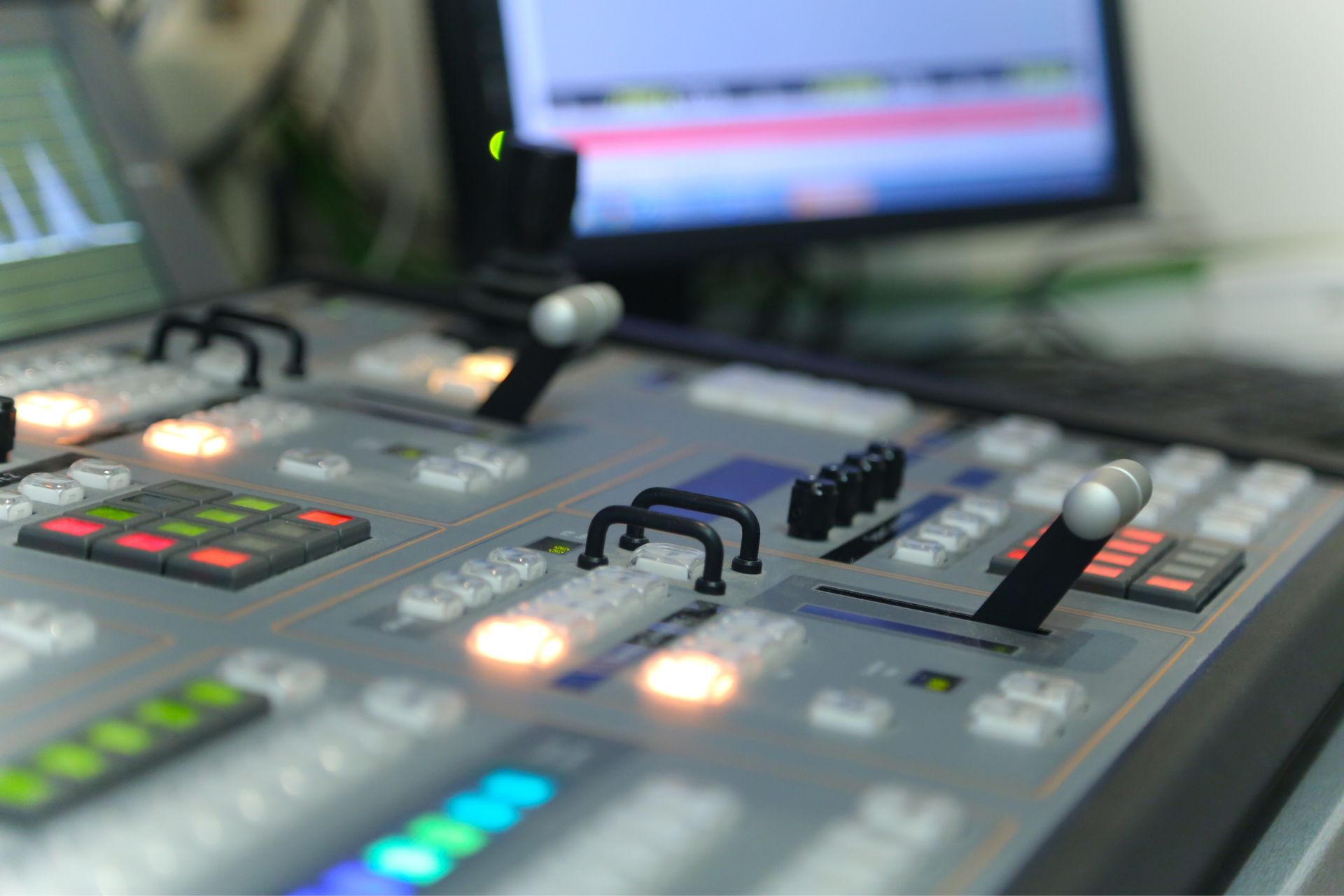
A centralized control system for managing various audiovisual (AV) components in modern conference rooms offers numerous advantages that enhance both functionality and user experience. By integrating diverse devices such as projectors, microphones, cameras, and lighting into a single interface, this system simplifies the operation of complex technology setups. Users can easily manage presentations with just one remote or touchscreen panel instead of juggling multiple controls for each individual device. This streamlining reduces confusion during meetings and ensures that participants stay focused on discussions rather than troubleshooting technical issues. Additionally, centralized systems often feature advanced automation capabilities which allow pre-programmed settings for different types of events like video conferences or workshops; these presets optimize audio levels and adjust visual outputs automatically to meet specific requirements without manual intervention. Furthermore, enhanced interoperability among AV equipment fosters seamless collaboration across platforms—whether utilizing cloud-based applications or local networks—which is crucial in today’s hybrid work environments where teams may be distributed geographically yet need to connect effectively in real-time. Centralized monitoring also provides IT managers with valuable insights into usage patterns while facilitating timely maintenance alerts if any component malfunctions arise; this proactive approach minimizes downtime and extends the lifespan of costly AV investments by ensuring they are always functioning at peak performance levels when needed most during critical business interactions.

How does user interface design influence participant engagement during presentations in an advanced conference room environment?

User interface design significantly impacts participant engagement during presentations in advanced conference room environments by creating an intuitive, visually appealing, and interactive experience that caters to diverse learning styles. When the user interface is well-organized with clear navigation elements, participants can easily access relevant information without distractions or confusion; this clarity enhances focus and retention of material being presented. Utilizing engaging visual aids such as infographics, videos, and animations helps illustrate complex concepts simply while maintaining audience interest through dynamic content presentation. Moreover, incorporating real-time feedback tools like polls or Q&A features encourages active participation from attendees who may feel more inclined to contribute when they see their responses reflected immediately on screens. A responsive layout that adapts seamlessly across devices ensures all participants remain connected regardless of whether they are using laptops or tablets for note-taking or viewing supplementary materials online. The integration of color schemes aligned with branding not only reinforces company identity but also affects mood and perception—strategically chosen colors can create a welcoming atmosphere conducive to collaboration and creativity. In summary, thoughtful user interface design harnesses technology's power to transform passive listening into vibrant discussions by fostering interaction among participants while delivering informative content effectively within modern conference spaces.

Frequently Asked Questions

In a typical conference room layout, the choice of microphone type significantly influences audio clarity and participant engagement. For boardroom setups with long tables, boundary microphones offer optimal sound pickup from multiple speakers positioned around the table while minimizing background noise. In contrast, for smaller huddle rooms or informal meeting spaces, lapel or lavalier microphones are ideal as they provide hands-free operation and maintain close proximity to the speaker’s voice for enhanced vocal fidelity. When dealing with larger auditoriums or lecture-style layouts where presentations occur at a distance, shotgun microphones can be employed to capture focused audio from specific individuals without capturing excessive ambient sounds. Additionally, array microphones equipped with beamforming technology allow for dynamic tracking of voices in real-time across various seating arrangements by focusing on active speakers regardless of their location within the space. Understanding these nuances ensures that conference organizers select appropriate microphone solutions tailored to their unique acoustic environments and attendee dynamics.

Video conferencing systems can be seamlessly integrated with existing audiovisual (AV) equipment by utilizing a combination of scalable infrastructure, interoperability protocols, and specialized connectivity solutions. This integration typically involves the use of digital signal processing (DSP) devices that facilitate audio mixing and video switching while ensuring optimal quality in both sound clarity and visual fidelity. Employing standards such as HDMI, USB-C, or SDI allows for efficient transmission of high-definition video feeds to large-format displays or projectors within conference rooms. Additionally, leveraging Unified Communications platforms ensures compatibility across various hardware components like microphones, cameras, speakers, and interactive whiteboards. A comprehensive AV control system can centralize management through intuitive user interfaces enabling seamless transitions between different media sources during presentations or collaborative sessions. By incorporating these technologies into an existing ecosystem—while maintaining a focus on scalability—the overall efficiency of meetings is enhanced without disrupting current workflows or requiring extensive overhauls of established setups.

To enhance video quality during virtual meetings, several critical lighting considerations must be addressed to ensure optimal visual clarity and professionalism. The placement of key light sources is paramount; soft, diffused illumination from front-facing lights minimizes harsh shadows on the face while creating a flattering appearance. Utilizing three-point lighting setups—comprising a key light, fill light, and backlight—can add depth by highlighting features and separating subjects from backgrounds. Ambient lighting should also be calibrated to avoid overexposure or color distortion caused by fluorescent or overhead lights that may cast unflattering tones. Furthermore, natural daylight can offer an excellent source of illumination when positioned at appropriate angles; however, it is essential to mitigate glare through sheer curtains or diffusion materials for consistent brightness levels throughout the meeting duration. Employing adjustable dimmers allows for fine-tuning intensity based on time of day and surrounding conditions while ensuring that faces are evenly lit without losing detail in darker areas—a crucial factor for maintaining engagement in professional settings where clear communication relies heavily on visual cues.

To determine the optimal screen size and placement for various room sizes, one must consider several critical factors including viewing distance, seating arrangement, and overall room dimensions. The ideal screen size can be calculated by taking into account the diagonal measurement of the display in inches and multiplying it by a factor corresponding to typical viewing distances; for instance, 1.5 to 2.5 times the screen size is often recommended for HD TVs while up to 10 feet may suit larger screens in spacious living areas or home theaters. Additionally, mounting height plays a crucial role—screens should typically be positioned at eye level when seated to ensure comfort during prolonged use; thus employing ergonomic principles enhances visual clarity and reduces neck strain. Ambient lighting conditions also influence placement strategies; avoiding glare from windows or lamps through strategic positioning contributes significantly to an optimal viewing experience across diverse settings such as small bedrooms versus expansive media rooms where multiple angles of visibility are essential. Ultimately, considering these elements collectively allows individuals to create personalized setups that maximize enjoyment whether watching movies in cozy corners or engaging in gaming marathons within dedicated entertainment zones.

When setting up a conference room AV system, several critical network requirements must be considered to ensure seamless integration and optimal performance. High-bandwidth connectivity is essential for supporting high-definition video conferencing, streaming presentations, and real-time collaboration tools without latency or buffering issues. The infrastructure should include robust Wi-Fi access points capable of handling multiple simultaneous connections while maintaining strong signal strength throughout the space. Additionally, reliable Ethernet cabling—preferably CAT6 or higher—is crucial for wired devices such as projectors, smart displays, and audio mixing consoles to guarantee stable data transmission with minimal interference. Quality of Service (QoS) settings on routers can prioritize audiovisual traffic over less time-sensitive data streams to enhance user experience during virtual meetings. Network security protocols must also be in place to protect sensitive information shared during conferences from unauthorized access while ensuring the availability of cloud-based services utilized for file sharing and collaborative applications. Furthermore, scalability considerations are important; as technology evolves or meeting demands change, the AV setup may require future upgrades that necessitate a flexible network architecture capable of accommodating advanced features like VoIP telephony systems and integrated automation controls seamlessly within an enterprise environment.
Best Practices For Designing A Conference Room AV Setup

Best Practices For Designing A Conference Room AV Setup

Contact Us

Commercial AV Services

  • Address: 2432 W Peoria Ave Suite 1204 Phoenix, AZ 85029
  • Phone: (602) 626-5800
  • Email: commercialavservices@mail.com

© Copyright - All Rights Reserved